
Choosing a labelling machine sounds simple until you are standing on the shop floor watching bottles pile up faster than your team can label them. Should you go with a fully automatic labelling machine, or is a semi automatic labeling machine enough for now? The honest answer depends on your production volume, your budget, and where you expect your business to be in two years. Having built machines for pharma, food, cosmetics and chemical lines across India for close to a decade, we have seen both choices work beautifully and both go wrong. Here is how to think it through.
What each machine actually does
A semi automatic labeling machine still needs a person in the loop. The operator places each bottle or jar onto the platform, triggers the applicator, and removes the product once the label is on. The machine handles the precise part, applying the label straight and wrinkle-free, while a human handles loading and unloading. It suits round, square and flat containers and switches between label sizes with minimal fuss.
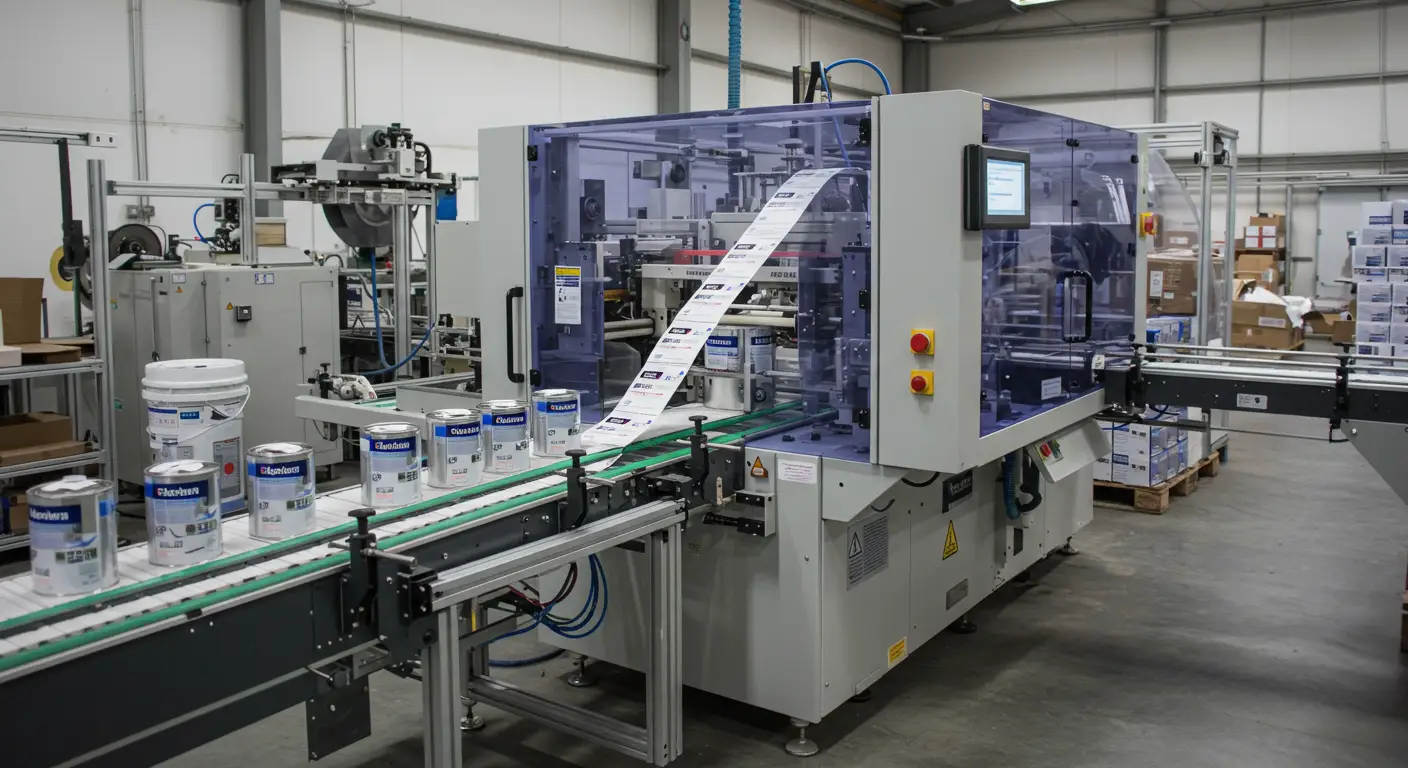
An automatic labelling machine removes most of that manual handling. Products travel along a conveyor, sensors detect each one, and labels are applied at speed without anyone touching the product. Many run alongside filling, capping and batch-coding equipment as one continuous line. This is the setup you see in high-volume pharma and FMCG plants where consistency across thousands of units is non-negotiable.
Speed and output
This is usually the deciding factor. A semi automatic labeling machine moves at the pace of its operator, which is fine for small batches, frequent product changeovers, or a growing brand still finding its footing. An automatic labelling machine, by contrast, keeps a steady high output all shift long, with no dip when someone takes a break. If you are missing dispatch deadlines because labelling has become the bottleneck on your line, that is the clearest signal you have outgrown manual handling.
Cost and return
Upfront, a semi automatic machine costs noticeably less, which makes it the sensible entry point for startups and smaller units watching their capital. An automatic system needs a bigger initial investment, but the maths shifts once volume climbs. Lower labour cost per unit, fewer mislabelled rejects, and steadier throughput mean the higher outlay tends to pay for itself over a reasonable operating period. The right question is not which machine is cheaper today, but which one costs you less per labelled unit over the next few years. If you want to talk through those numbers for your specific line, our team is happy to work them out with you.
Accuracy, compliance and consistency
For regulated sectors like pharmaceuticals and agrochemicals, label placement is not just about looks. Barcodes, batch numbers and expiry details have to sit correctly every single time. An automatic labelling machine, with its sensors and conveyor positioning, reduces the human variation that creeps in during a long shift. A well-built semi automatic machine still delivers clean, repeatable results for lower volumes, but the responsibility for pace and positioning stays partly with the operator. We size and configure each machine around the container and label so accuracy holds whichever route you take.
What about label printing and sticker application?
Some businesses ask whether they need a separate label printing machine as well. If your labels arrive pre-printed on rolls, a sticker labelling machine simply applies them. If you need printing and application in one pass, print-and-apply systems handle both together, which cuts a step for variable data like batch codes. It is worth deciding early whether printing sits inside your labelling process or upstream of it, because that shapes the machine you buy.

So which one should you pick?
Choose a semi automatic labeling machine if your volumes are modest, your SKUs change often, or you want a dependable, affordable bridge from manual work into automation. Step up to an automatic labelling machine when volume is consistently high, compliance is strict, or labelling has become the slowest point on your line. Many of our customers start semi automatic and upgrade as they grow, which is a perfectly sound path. What matters most is matching the machine to your real output today and your plans for tomorrow, rather than buying too much or too little.
Not sure where your line falls? Tell us your container type, label size and daily volume, and we will recommend the right fit. Get in touch with Interpack Technologies for honest, practical guidance.